Company News
DEScycle Selected by Germany’s SPRIND to Accelerate Breakthrough Circular Metals Technology
7 Jan 2026
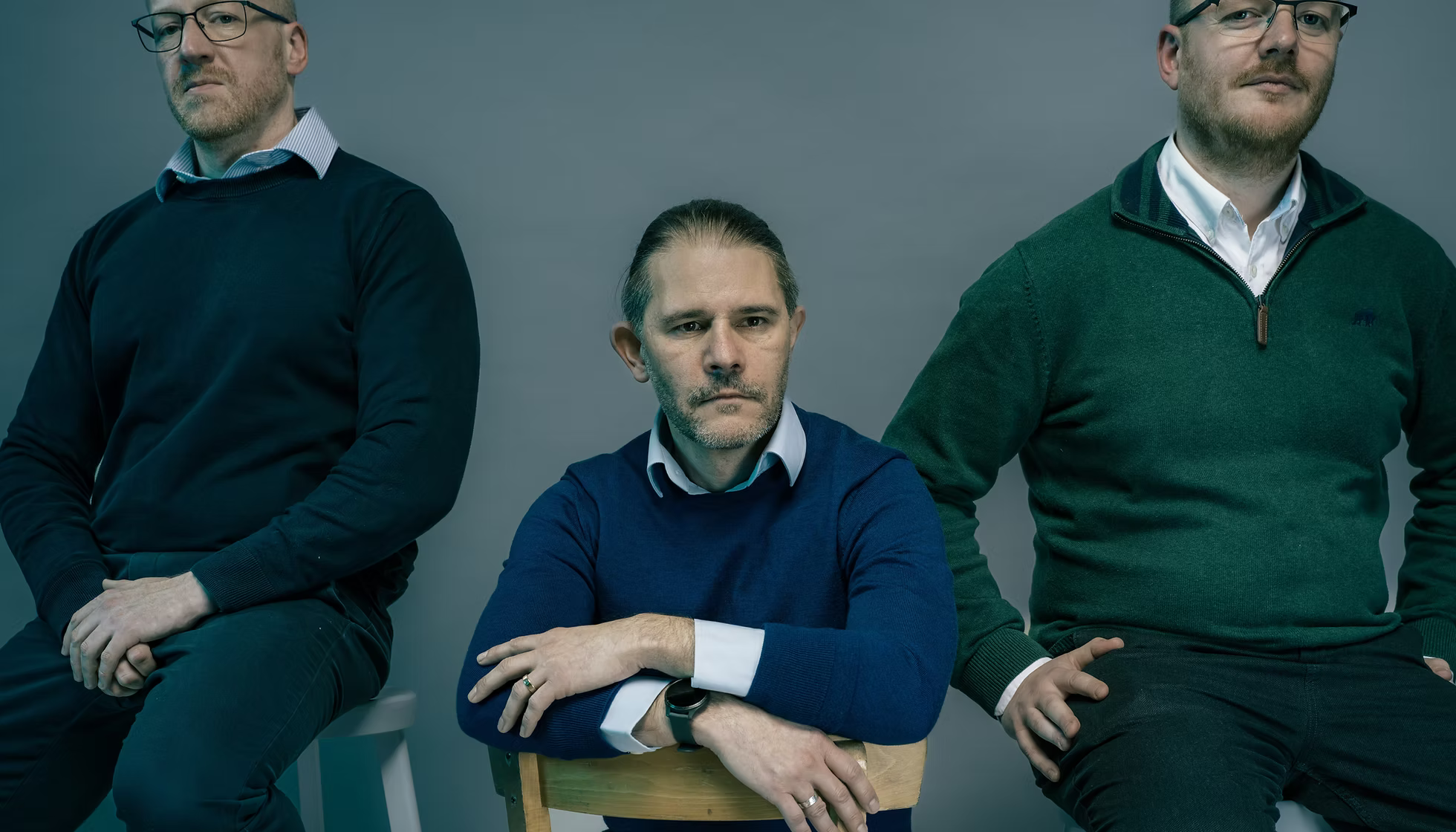
London, UK, 7 January 2026 - DEScycle, a developer of next-generation circular metals infrastructure, has been selected to participate in the SPRIND Tech Metal Transformation Challenge, a highly competitive programme run by Germany’s Federal Agency for Disruptive Innovation.
The SPRIND Tech Metals Challenge has backed a small cohort of technologies with the potential to fundamentally reshape how critical and precious metals are recovered, refined, and supplied at industrial scale. Participation in the programme recognises DEScycle’s differentiated process and its relevance to Europe’s strategic objectives around industrial resilience, critical raw materials, and circular supply chains.
The programme is structured as a staged, multi-year initiative, beginning with an initial €1.5 million award and offering the potential for up to €6 million in total funding based on technical and commercial progress. Unlike conventional grant schemes, SPRIND’s model is explicitly focused on accelerating technologies through scale-up and deployment milestones, rather than supporting incremental research.
DEScycle’s technology enables the recovery of high-value and critical metals from complex secondary feedstocks using a fundamentally different process architecture to traditional smelting and refining. By shortening value chains and enabling decentralised, onshore metals recovery, DEScycle aims to support more resilient and secure industrial supply systems. DEScycle will collaborate with Seloxium (UK), the University of Nottingham (UK) and Esy Labs (Germany) as part of the Tech Metals Challenge.
Dr Rob Harris, CTO of DEScycle, said: “SPRIND backs technologies that are uncomfortable, ambitious, and capable of changing how entire industries operate. Their decision to support DEScycle is a strong validation that our approach to circular metals recovery can move beyond incremental gains and deliver a step-change in how critical metals are supplied at industrial scale.”
Critical raw materials such as copper, gold and rare elements embedded in electronics are increasingly constrained, while e-waste volumes continue to rise. SPRIND’s challenge is designed to accelerate technologies that recover these metals efficiently and safely, building resilient, circular supply chains. DEScycle’s low-temperature DES approach aligns with this goal by aiming to lower energy use and environmental footprint relative to smelting, and to integrate with modular pre-/post-processing steps envisioned by the challenge framework.
Participation in the Tech Metals Challenge positions DEScycle within a priority European industrial agenda at a time when governments and manufacturers are seeking alternatives to long, exposed, and geopolitically concentrated metals supply chains. The programme will support DEScycle as it advances from demonstration into deeper industrial validation, working toward commercial deployment with partners across Europe and internationally.
About DEScycle
DEScycle is a UK clean-technology company developing a circular metallurgy platform that enables high-efficiency, low-emission recovery of critical and strategic metals from end-of-life products and complex industrial waste streams. Combining a new class of green chemistry with chemical process innovation and advanced separation techniques, DEScycle replaces conventional high-temperature, high-carbon recovery pathways with a closed-loop, chemistry-driven alternative. By making metal recycling scalable, economically competitive, and truly circular, DEScycle transforms domestic waste into domestic metals supply for the energy transition. For more information, please visit descycle.com.
About SPRIND
SPRIND (the Federal Agency for Disruptive Innovation) was established by the German government to identify and support breakthrough technologies with the potential to create new industrial capabilities. Its challenge-based funding model is designed to take calculated technological risks in pursuit of outsized economic and strategic impact.
News and Insights
Related news
Company News
DEScycle opens Teesside demonstration plant to strengthen UK critical minerals processing capacity
Read more
Company News
Minister for Critical Minerals Launches £50m fund from DEScycle’s Facility
Read more
Company News
€10m of grant funding in 10 months
Read more
Company News
Europe's Largest Circular Tech Awards
Read more
Company News
DEScycle x Cisco
Read more